To sell a house when homeowners insurance is denied in Florida, your most reliable option is a direct cash sale. Traditional buyers cannot secure mortgages on uninsurable homes because lenders require an active insurance binder to release funds. Cash House Buyers 4 You has completed approximately 66 Florida purchases since 2021, helping owners close in an average of 29 days without requiring expensive roof replacements or out-of-pocket repairs.
Facing a canceled policy or an astronomical renewal rate in Florida? Here’s what most homeowners don’t know about the downstream effects of losing coverage. The reality of the current market is that if you can't get homeowners insurance, your ability to sell the house through standard real estate channels virtually disappears overnight.
The state's insurance framework is heavily strained right now. Carriers are shedding risk rapidly, leaving everyday homeowners holding properties they can neither afford to insure nor easily sell to regular buyers. However, being denied coverage does not mean you are permanently trapped with the property. There are multiple ways to move forward, and the right solution depends entirely on your timeline, your property’s specific condition, and your financial boundaries.
The Florida Insurance Crisis: Why Carriers Are Dropping Policies
The rate at which insurance companies are denying renewals across the state is alarming. According to state regulators and reports monitoring the Florida Office of Insurance Regulation, millions of residential property policies have been non-renewed or dropped entirely over the last few years.

If you receive a non-renewal notice in the mail, understand that this is rarely a reflection of your personal credit score or how well you maintain the interior of your home. It is a macro-level financial issue driven by several unyielding factors in the insurance industry:
- Soaring Litigation Costs: Florida historically accounts for an outsized percentage of the nation's homeowners insurance lawsuits. Insurance carriers are forced to bleed capital in court fighting fraudulent or inflated claims rather than simply paying out standard repair costs.
- Climate Risk and Reinsurance: The underlying cost that insurance companies pay to insure themselves known as reinsurance has skyrocketed due to frequent severe weather events in the Gulf. Those massive costs are passed directly to you in the form of higher premiums or complete denial of coverage.
- Strict Infrastructure Underwriting: Carriers are aggressively scrutinizing the age and material of your home's roof, plumbing, and electrical systems. What was perfectly acceptable to an underwriter five years ago is now considered an immediate disqualifier.
If you own property in older communities or along the immediate Gulf Coast, you are at ground zero for these strict underwriting adjustments. Properties in Pasco County and neighboring coastal zones have seen a massive surge in policy denials simply because the homes were built before modern hurricane codes were enacted.
The Roof Age Threshold: The 15-Year Rule
The single most common reason a homeowner's insurance is denied in Florida is the age of the roof. Historically, a standard architectural asphalt shingle roof was considered viable for 20 to 25 years. Today, the rules have completely changed. Many private carriers in Florida will outright deny coverage or refuse to renew a policy if the roof is 15 years old and in some strict coastal zones, that threshold drops to just 10 years old.
Under recent legislative changes to the Florida Statutes, carriers are permitted to offer policies that pay out actual cash value (ACV) rather than replacement cost value (RCV) for older roofs. ACV factors in depreciation, meaning if a storm destroys your 15-year-old roof, the insurance payout might only cover a fraction of the replacement cost. However, instead of offering ACV policies, many carriers simply choose to drop the policy entirely to avoid the risk altogether.
When this happens, the homeowner is given a tight window often 30 to 45 days to either replace the roof entirely out-of-pocket or lose their insurance. If you do not have $15,000 to $25,000 in liquid cash to replace a functioning but "aged out" roof, you are suddenly left holding an uninsured asset that is incredibly difficult to manage.
Citizens Property Insurance: The Fading "Insurer of Last Resort"
For years, homeowners who were dropped by private carriers fell back on the Citizens Property Insurance Corporation, the state-backed insurer of last resort. However, relying on Citizens is no longer a guaranteed safety net. Citizens is heavily focused on "depopulation" meaning they are actively trying to push policies back into the private market to reduce the state's financial liability.
Citizens now mandates strict eligibility requirements, including mandatory flood insurance even if you are not in a designated high-risk flood zone, and rigorous 4-point inspections before writing a policy. If your home has older electrical wiring (like aluminum or knob-and-tube), outdated polybutylene pipes, or a roof nearing its strict age limit, even Citizens will deny you. Once the state's safety net denies coverage, the property is officially uninsurable under standard terms.
Why Uninsurable Homes Can't Get Traditional Mortgages
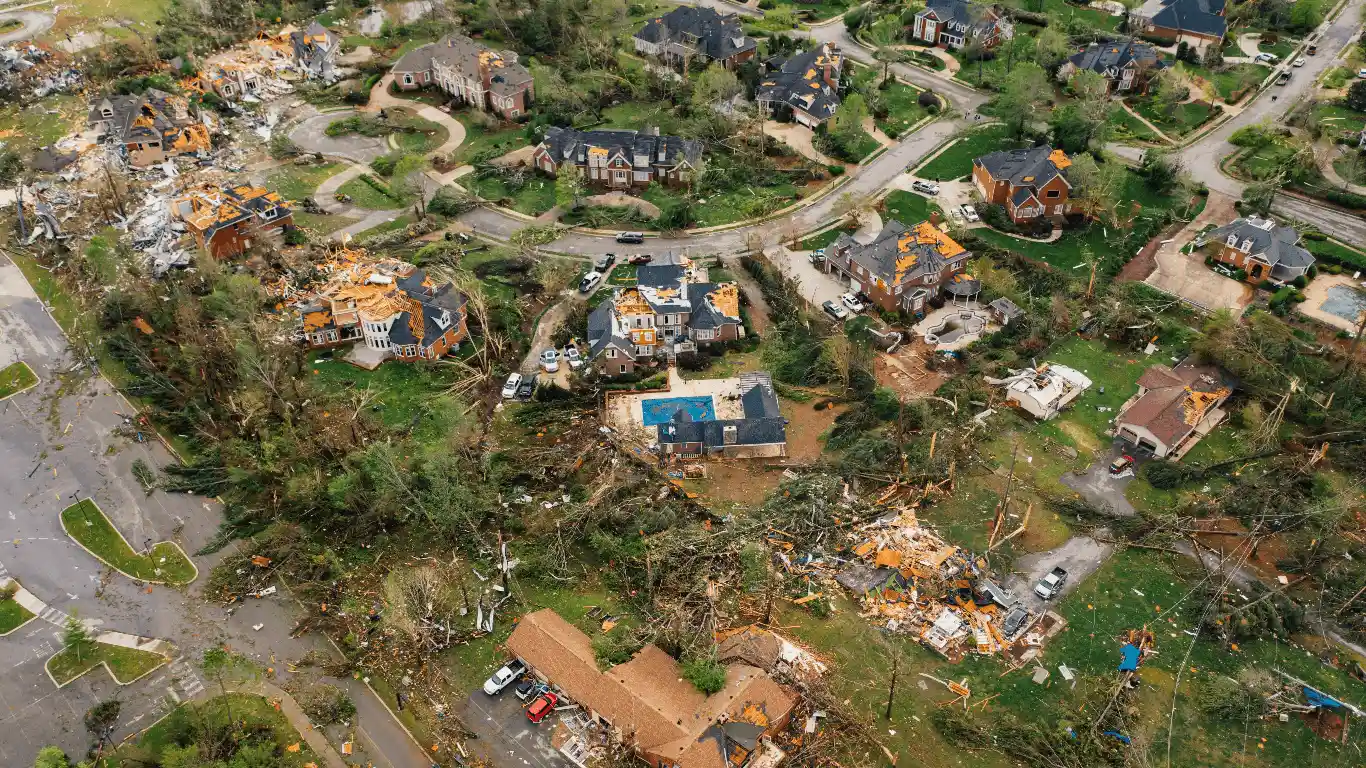
This is the critical bottleneck that most sellers do not realize until a deal falls apart at the closing table: you cannot sell an uninsurable house to a buyer using a traditional bank loan.
Federal lending guidelines require the property to be fully insured before the lender will release the funds to close the sale. If you list your home on the local MLS and accept an offer from a young couple putting 20% down, that couple will eventually have to secure a binder for homeowners insurance to finalize their mortgage. When local agents refuse to write a policy because of the home's condition or when the quoted premium is so high that it completely breaks the buyer's debt-to-income ratio—the buyer's lender will immediately kill the mortgage approval.
How Specific Florida Situations Intersect with Insurance Denials
The insurance crisis does not just affect owner-occupants; it heavily impacts inherited properties, out-of-state owners, and homes that have already suffered damage. We have seen this exact scenario play out throughout the state of Florida in a variety of complex situations.
Storm Damage and Pre-Foreclosure Pressures
If your home recently sustained damage from a storm, securing insurance becomes nearly impossible until full repairs are made. We regularly speak with homeowners asking if can you sell a hurricane-damaged home in New Port Richey for cash, or if they have options for selling a storm-damaged Brooksville home. The answer is yes, but only to a cash buyer. When storm damage leads to financial strain and missed mortgage payments, finding out how to avoid foreclosure in Pasco County often relies entirely on securing a fast cash exit before the bank auction.
Inherited Properties and Out-of-State Owners
The crisis is particularly stressful for families inheriting older properties. An out-of-state heir managing a Pasco County estate often discovers the family home has an uninsurable 20-year-old roof. Whether they are selling an inherited house in Spring Hill, FL or navigating a Sarasota inherited house through Florida probate, the family is suddenly forced to pay out of pocket for a new roof just to list the house on the MLS.
This same dynamic applies across the state. Homeowners attempting to sell a house in Wesley Chapel affected by the insurance crisis face the exact same mortgage-denial hurdles as someone selling a house in Charlotte County. Even outside of Florida, we see similar complexities when helping families sell a probate house in OKC with no court delays—speed and avoiding repair costs are always the top priorities for heirs.
Your Real Exit Options: Moving Forward Without Insurance
If you cannot afford the required repairs to make the property insurable, and you cannot sell to a traditional buyer relying on a mortgage, you still have highly viable options. As remote operators purchasing homes across three different states, we have seen every type of real estate challenge. That is exactly why we offer several ways to move forward—from a cash offer to seller financing—so we can build a solution that actually fits your specific situation. You can always explore all your options to sell to see what fits best.

1. Direct Cash Sale
A cash buyer does not rely on a traditional bank mortgage. Because there is no underwriter demanding a 4-point inspection or an active insurance binder to clear the funds, the sale can proceed regardless of the property's insurability.
This is the cleanest, fastest exit. Cash House Buyers 4 You typically delivers a written cash offer within 3 days of contact, and we close in an average of 29 days. We buy the property exactly as it sits. You do not have to replace the roof, upgrade the electrical panel, or worry about code compliance. We absorb those liabilities entirely so you can walk away with your equity intact.
2. Seller Financing (You Become the Bank)
If you own the property free and clear without an existing mortgage, you can finance the sale for an investor. In this scenario, the investor provides a down payment and makes monthly payments directly to you. The investor takes on the massive burden of rehabilitating the property to make it insurable again, while you secure a steady monthly income and a highly favorable overall purchase price.
3. Subject-To Financing
If you still owe money on your mortgage and the insurance denial has put you at risk of default perhaps your lender is threatening to force-place extremely expensive insurance on the property a "Subject-To" arrangement might be the answer. This allows an investor to take over the responsibility of your existing mortgage payments. The investor takes title to the property, catches up any arrears, and immediately steps in to solve the insurance and repair problems. This protects your credit score and removes the immediate financial pressure.
4. Novation Agreements
If your home is in a highly desirable neighborhood such as certain areas of homes across Hernando County but is unsellable purely due to a specific insurance blocker, a novation might make sense. Under this structure, we step in, fund the specific repairs needed to make the home insurable (like paying for a brand new roof out of our pocket), and partner with you to sell the home at its newly optimized market value.
5. Wholesale / Assignment
In scenarios where our direct buy-box isn't the perfect fit for your specific property, we leverage our extensive network of local, licensed contractors and specialized cash buyers who focus specifically on uninsurable distressed assets. We secure a fair purchase agreement with you and assign it to a trusted partner who can close the transaction on your exact timeline.
The Advantage of an Established, Multi-State Operator
When dealing with a highly complex issue like a denied insurance policy, the reliability of your buyer is paramount. You cannot afford to sign a contract with a localized amateur who might back out at the last minute when they realize the true extent of the roof replacement costs.
Our founder, Jagger Babuin, was recently featured on the podcast A Canadian Investing in the U.S. (EP419) discussing our multi-state approach. This remote flexibility allows us to help homeowners across multiple markets without the delays or funding hiccups common in traditional real estate. We have the established systems, the private capital, and the underwriting expertise to close on uninsurable properties safely and efficiently. If you want to know more about how we operate, you can learn more about us or contact us directly.
What to Do Immediately After Receiving a Non-Renewal Letter
If you receive a letter stating your insurance will not be renewed, do not panic, but do act quickly. First, contact your independent insurance agent immediately to see if they can shop the policy to smaller, regional carriers. Sometimes, minor localized repairs can satisfy a new carrier's requirements. If no private carrier will write the policy, check your eligibility for Citizens Property Insurance. Finally, if the required repairs to secure a policy exceed your savings, immediately begin consulting with a reputable cash buyer to understand your baseline property value without insurance.
FAQ: Selling a Home Without Insurance in Florida
Can you sell a house without homeowners insurance in Florida?
Yes, you can sell a house without homeowners insurance in Florida, but traditional buyers using a mortgage cannot buy it. Lenders require active insurance to fund a loan. To sell an uninsurable home, you must sell to a cash buyer or use alternative financing like seller financing.
Why is my homeowners insurance being denied in Florida?
Homeowners insurance is frequently denied in Florida due to the age of the roof (typically over 15 years), outdated electrical panels, polybutylene plumbing, past water damage claims, or the property's location in a high-risk flood or wind zone.
What happens if Citizens Property Insurance drops my policy?
If Citizens Property Insurance drops your policy, you must find coverage through the private market, often at a much higher premium. If no private carrier will write a policy, the home becomes uninsurable for standard mortgages, leaving a direct cash sale as the primary exit option.
How fast can I sell an uninsurable house in Florida?
If you sell directly to a real estate investment firm, the process is very fast. Cash House Buyers 4 You typically delivers a written offer within 3 days and closes in an average of 29 days, regardless of the property's insurance status.
Will a 20-year-old roof prevent me from selling my Florida house?
On the traditional market, yes. Most private carriers will not insure an asphalt roof older than 15 years, meaning traditional buyers will be denied their mortgage. However, cash buyers and investors will purchase the home exactly as it sits, absorbing the roof replacement liability themselves.
Sources & Local Resources
- Florida Office of Insurance Regulation
- Citizens Property Insurance Corporation
- Florida Statutes
- Florida Department of Financial Services
If the stress of dropped coverage and looming repair bills is keeping you up at night, we can help you find a clean way out. You do not have to fix the home yourself.