To sell an uninsurable house in Charlotte County safely and legally, homeowners typically have three main options. They can pay out of pocket for major roof or electrical repairs to regain coverage, secure alternative high-risk insurance temporarily, or accept a cash offer from a private buyer. Cash House Buyers 4 You completes these purchases in an average of 29 days without requiring the seller to provide an active insurance binder.
Approximately 29% of our 227 property purchases since 2021 have been located across the state of Florida. We repeatedly see the exact same challenge facing homeowners along the Southwest coast. You open a letter from your carrier and without any prior warning you are informed that your policy will not be renewed. The reason given is often a roof that is deemed too old or an electrical panel that no longer meets strict underwriting guidelines. If you find yourself holding a property that carriers refuse to cover, you are not alone. There are multiple ways to proceed that do not require draining your bank account.
Florida is currently undergoing a massive property insurance contraction. The coastal corridor stretching from Punta Gorda up through Port Charlotte is feeling this pressure acutely. Private carriers have been pulling out of the state entirely or drastically reducing their exposure to coastal risks, leaving local property owners scrambling for viable alternatives. When a home becomes completely uninsurable in the eyes of these carriers, selling a house in Charlotte County on the traditional real estate market becomes exceptionally difficult.
Why Punta Gorda and Port Charlotte Homes Are Losing Coverage
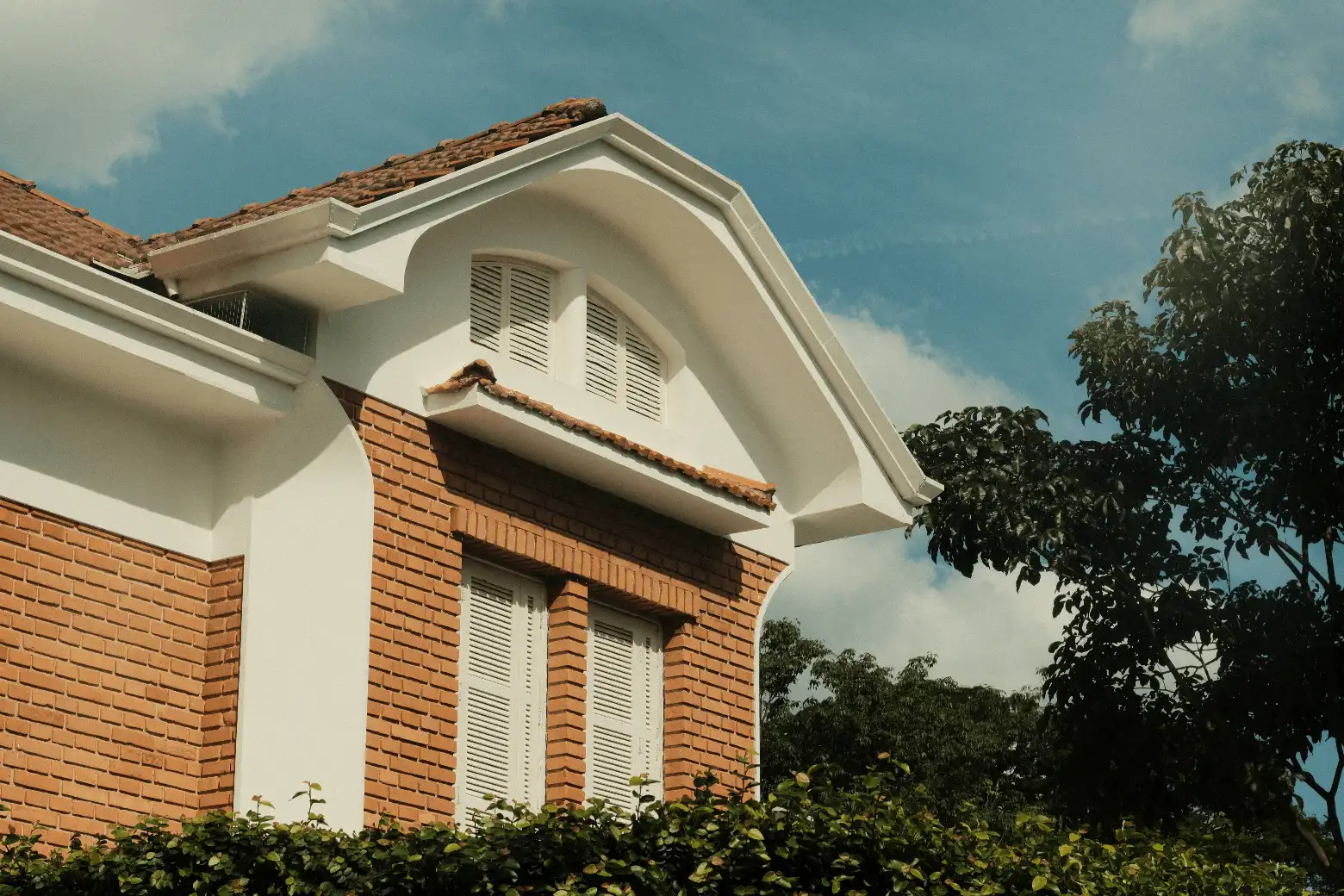
The insurance crisis affecting Southwest Florida is driven by a combination of severe weather risks, shifting legislative rules, and strict corporate underwriting procedures. The Florida Office of Insurance Regulation continues to monitor carrier solvency, but companies are taking a hardline stance on the physical condition and age of property components. They frequently refuse to issue new policies or renew existing ones unless the home is completely modernized.
The Reality of the 15-Year Roof Rule
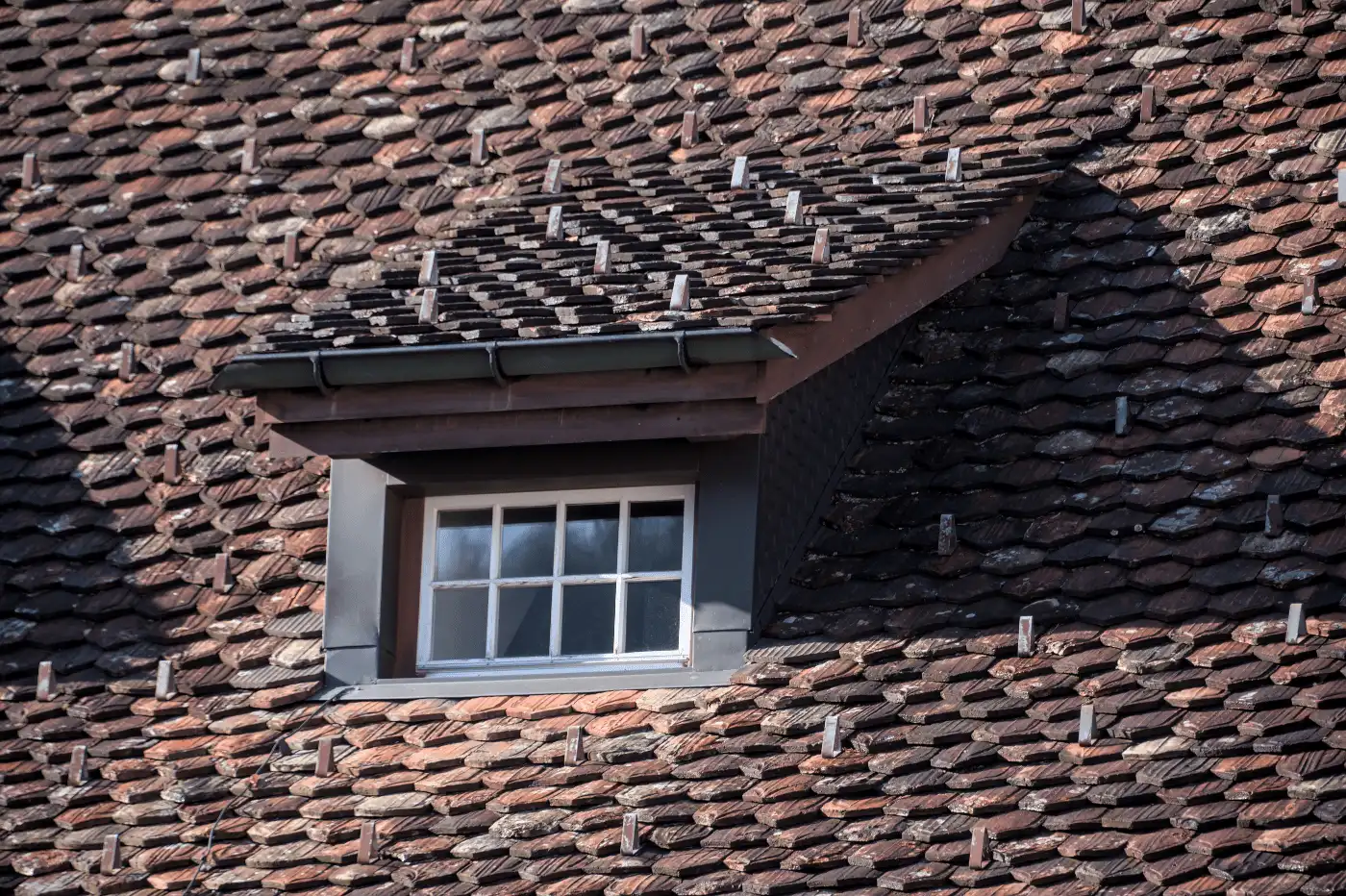
The most common hurdle blocking homeowners from obtaining insurance is the strict enforcement of roof age limits. Historically, an asphalt shingle roof was expected to last 20 to 25 years. Today, many Florida insurance carriers refuse to write policies for homes with roofs that are 15 years old or older. If your home in Punta Gorda has a roof that was installed before 2011, you may find it nearly impossible to secure private coverage. This is true regardless of the roof's actual physical condition or whether it has ever leaked. For homeowners needing to sell a house when insurance is denied in Florida, this age limit represents a massive financial barrier.
The 4-Point Inspection Bottleneck
When you attempt to sell a home to a retail buyer, their insurance company will invariably require a 4-point inspection on any older structure. This inspection focuses strictly on four primary systems.
- Roofing: Evaluates age, current physical condition, and remaining useful life based on visual evidence.
- Electrical: Checks for outdated panels like Federal Pacific or Sylvania brands, aluminum wiring, and ungrounded outlets.
- Plumbing: Looks for polybutylene pipes or aging cast iron systems that are known for sudden catastrophic failure.
- HVAC: Assesses the age and overall functionality of the heating and cooling units.
A failure in any one of these categories usually results in an automatic denial of coverage. If a buyer cannot obtain an active insurance binder based on the 4-point inspection results, their lender will kill the mortgage. This effectively cancels your home sale and puts you back at square one. If you review your property records on the Charlotte County Property Appraiser website, you might find that your home's effective age makes it a prime target for these strict inspections.
Wind Mitigation and Strict Building Codes
Because Punta Gorda and the surrounding areas are highly susceptible to hurricane activity, wind mitigation is a critical factor for underwriters. Homes built before the stringent 2002 Florida Building Code updates often lack modern structural reinforcements. This includes features like hurricane clips, impact-rated windows, or secondary water resistance barriers on the roof deck. While these older homes may have weathered previous storms just fine, insurance companies view the lack of modern mitigation features as an unacceptable risk profile.
The Citizens Property Insurance Dilemma
When private carriers deny coverage, homeowners often turn to the state-backed Citizens Property Insurance Corporation. Designed as the insurer of last resort, Citizens has seen its policyholder numbers swell dramatically in recent years. However, relying on Citizens is not a permanent or easy fix. The state has been actively working to depopulate Citizens by forcing homeowners back into the private market whenever a somewhat comparable rate becomes available.
Furthermore, Citizens maintains its own strict underwriting guidelines. If your roof is past its useful life or if there is preexisting un-repaired damage on the property, even the state-backed insurer will deny your application. When the insurer of last resort says no, the property is officially designated uninsurable in the eyes of a retail buyer's bank.
How Lack of Insurance Kills Traditional MLS Sales
The traditional real estate model is built entirely around the availability of bank financing. You list with a realtor on the Multiple Listing Service, host open houses, and wait for a family to make an offer. Understanding the mechanics of mortgage lending is essential to understanding why uninsurable homes simply cannot be sold this way.
Lenders Demand Active Binders Before Closing
When a family wants to buy your home, they typically put down a small percentage in cash and borrow the rest from a bank. The bank uses the physical property as collateral for the loan. Because the bank is taking on the majority of the financial risk, they mandate that the asset be protected against catastrophic loss such as a fire or a hurricane.
A mortgage underwriter will absolutely not clear a loan to close without seeing an active and paid insurance binder in the file. If the home fails the 4-point inspection and no insurance carrier will write a policy, the buyer cannot get the mortgage. The deal falls through entirely. This cycle is incredibly frustrating for sellers who simply want to move on with their lives.
The Financial Reality of Repairing vs. Selling As-Is
Faced with an uninsurable home, many owners feel backed into a corner. The traditional advice is to simply pay for the necessary repairs to regain insurability. However, the financial math rarely supports this approach.
Consider a typical roof replacement in Charlotte County. Depending on the size of the home, a new roof can easily cost between $15,000 and $30,000. If you are also required to update an outdated electrical panel or replace old plumbing to satisfy the inspector, your upfront out-of-pocket costs can quickly exceed $40,000. If you do not have that amount of cash sitting in a bank account, you cannot make the repairs. Even if you do have the funds available, investing $30,000 into a new roof does not typically increase the home's market value by a proportional amount. You are spending your hard-earned savings merely to make the house eligible to be sold, often taking a significant loss on your return on investment.
When the cost to achieve insurability outweighs the financial benefit, exploring alternative solutions becomes the smartest path forward. We see similar financial dilemmas across neighboring areas. For example, a homeowner needing to sell a house in Wesley Chapel with insurance issues or attempting to maintain coverage on properties in Pasco County faces the exact same uphill battle with massive upfront repair costs.
Your Real Options and The 5 Paths Available to You
Our founder, Jagger Babuin, was recently featured on the podcast 'A Canadian Investing in the U.S.' (EP419) discussing our multi-state approach to complex property challenges. As remote operators purchasing homes across three different states, we have seen every type of real estate hurdle. That is exactly why we offer five different ways to sell your property so we can build a solution that actually fits your specific situation.
If you have an uninsurable home in Punta Gorda or Port Charlotte, here are the paths available to you.
- Direct Cash Sale: This is the most straightforward option. Because we use private capital, we do not require a mortgage underwriter or an active insurance binder to close. We buy the property entirely as-is. You make no repairs, pay no agent commissions, and we can close in an average of 29 days.
- Seller Financing: If you own the property free and clear, you can act as the bank. We make a down payment and pay you monthly installments over time. This provides you with passive income while transferring the burden of repairs and insurance directly to us.
- Subject-To: If you have an existing mortgage but cannot afford the massive repair costs to keep the home insured, we can take over the deed and begin making your mortgage payments on your behalf. This protects your credit and relieves you of the financial strain. We frequently use this structure when discussing how to avoid foreclosure in Pasco County and surrounding areas.
- Novation: We partner with you to fund and complete the necessary repairs using our own capital. Once the home is insurable and brought up to market standards, we sell it together and split the increased profits.
- Wholesale: We leverage our extensive network of local contractors and investors to match your uninsurable property with a buyer who specializes in heavy rehabilitations, ensuring you secure a fair exit.
It is crucial to spend time reviewing your options to sell before committing to a costly repair project that may not yield a return.
Handling Severe Hurricane Damage Without Insurance
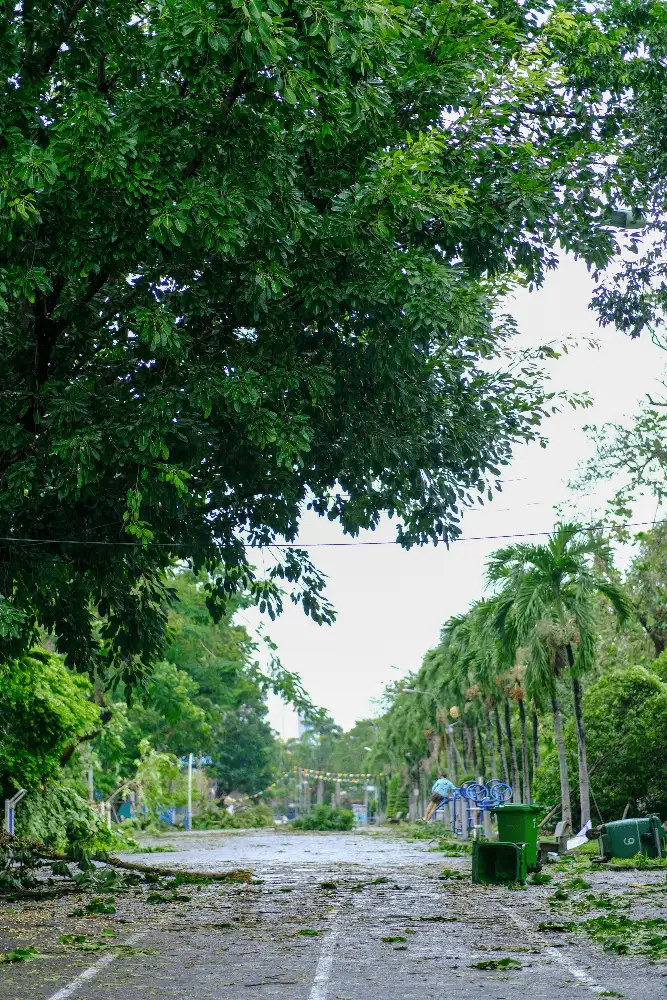
The situation becomes even more stressful when an uninsurable home suffers actual storm damage. Approximately 13% of the 227 properties Cash House Buyers 4 You has purchased since 2021 had significant storm, fire, or water damage. These are situations traditional buyers actively avoid.
If a storm rolls through Port Charlotte and damages your roof, and you do not have an active policy in place, you are entirely responsible for the cleanup and rebuilding costs. Navigating contractor waitlists and securing permits in a post-storm environment is a nightmare, especially when you are paying entirely out of pocket. For many homeowners, deciding to sell a hurricane damaged home in Southwest Florida directly to a cash buyer is the only way to quickly liquidate the asset and preserve whatever equity remains in the property.
We see this same pattern up the coast. Homeowners looking to sell a hurricane damaged home in New Port Richey, attempting to navigate a sell a hurricane damaged house in Tampa Bay scenario, or even selling a storm damaged Brooksville home all realize that waiting for out-of-pocket contractor work takes months they do not have.
Why Inherited and Out-of-State Properties Face Unique Hurdles
Managing an uninsurable property is difficult enough when you live down the street. When you are managing the property from another state or dealing with an inherited estate, it becomes nearly impossible. If you are an out-of-state heir managing a Pasco County property or dealing with an older home in Punta Gorda, you understand the logistical nightmare of handling repairs from afar. Remember that under Florida State Statutes, specific disclosures about the condition of the home may be required during the sale, complicating the process if you attempt to hide damages.
Trying to coordinate multiple roofing quotes, manage electrical contractors, and oversee local permitting from hundreds of miles away is incredibly draining. Instead of spending months flying back and forth to manage a rehabilitation project just to get the home listed on the MLS, many heirs prefer a clean break. Choosing to sell Florida property from out of state to a direct buyer allows you to settle the estate efficiently. We walk you through the process, handle all the local heavy lifting, and manage the closing paperwork remotely.
When insurance issues compound with probate timelines, the stress multiplies. Families ask us how long does probate take in Florida when a house is uninsurable, and the truth is that a vacant, uninsured house is a massive liability during the months-long legal process. Whether you are dealing with a Sarasota inherited house navigating Florida probate, selling an inherited house in Spring Hill, or selling inherited probate property in Tampa Bay, securing a direct buyer removes the insurance burden from the estate. Because our operations span multiple states, we also assist families needing to sell a probate house in OKC without court delays, applying the same efficient, as-is purchasing model.
Comparing Options Across Neighboring Florida Markets
The insurance crisis is not isolated to Charlotte County. We see identical challenges when purchasing homes in Hernando County and evaluating properties in Lee County. The underwriting guidelines are statewide, and the solutions remain consistent. Selling directly to an established cash buyer bypasses the bank's strict requirements entirely, allowing you to move forward without friction.
Taking the Next Step on Your Timeline
Dealing with a property that you cannot insure can feel like a heavy burden, but you are not stuck. You do not have to drain your savings to fix an aging roof, and you do not have to navigate the stress of failed traditional real estate transactions. Whether a direct cash offer or a creative financing arrangement makes the most sense for your financial goals, our team is here to provide clear and actionable solutions. If you are ready to explore your options without any high-pressure sales tactics, please contact our team today.
FAQ
Can I sell a house in Florida if it doesn't have insurance?
Yes. While traditional buyers using bank mortgages cannot purchase a home without active insurance policies in place, cash buyers and investors use private capital. This means they are not bound by lender underwriting requirements and can purchase uninsurable properties completely as-is.
Why is my house in Punta Gorda suddenly uninsurable?
The most common reason homes in Charlotte County lose coverage is roof age. Many Florida carriers, operating under strict guidelines set by the state, refuse to write policies for homes with roofs older than 15 years. Other reasons include outdated electrical panels, old plumbing systems, or recent unrepaired storm damage.
Do I have to fix the roof to sell my house?
If you want to list on the traditional MLS and attract retail buyers, you generally must replace the roof to allow the buyer to secure financing. However, if you sell off-market to a direct cash buyer, you do not have to fix the roof, pass a wind mitigation inspection, or make any repairs prior to closing.
How long does a cash sale take for a damaged property?
Cash House Buyers 4 You averages a 29-day closing timeline from the moment the offer is accepted, though transactions can be completed in as little as 7 days depending on title clearance and the seller's preferred schedule.
Sources & Local Resources
- Citizens Property Insurance Corporation - Information on state-backed insurance requirements and depopulation efforts.
- Florida Office of Insurance Regulation - Regulatory updates and carrier insolvency information.
- Charlotte County Property Appraiser - Local property records, building footprints, and tax assessment data for the Punta Gorda region.
- Florida State Statutes - Official state laws governing real estate transfers, property rights, and insurance disclosures.